Exploring the realm of Best part-time jobs for work-life balance, this article delves into the ideal balance between work and personal life, shedding light on the top part-time job options that offer flexibility and harmony.
Best Part-Time Jobs for Work-Life Balance
Part-time jobs have become increasingly popular for individuals seeking a better work-life balance. These roles offer flexibility and allow for more time to focus on personal commitments and interests.
Top Part-Time Job Options for Work-Life Balance:
- Freelancer: Working as a freelancer allows you to choose your own hours and projects, giving you control over your schedule.
- Virtual Assistant: This role offers remote work opportunities and flexibility in managing tasks for various clients.
- Tutor: Providing tutoring services can be done on a part-time basis, offering flexibility in scheduling sessions.
- Yoga Instructor: Teaching yoga classes part-time can be a fulfilling role that promotes physical and mental well-being.
How Part-Time Jobs Contribute to Work-Life Balance:
Part-time jobs provide the opportunity to earn income while still having time for personal activities and hobbies. This balance is crucial for reducing stress and maintaining overall well-being.
The Importance of Finding the Right Balance:
Finding the right balance between work and personal life is essential for avoiding burnout and maintaining a healthy lifestyle. Part-time jobs offer the flexibility needed to achieve this balance.
Industries Known for Offering Flexible Part-Time Positions:
- Technology: Many tech companies offer part-time roles in areas such as customer service, data entry, and software development.
- Healthcare: Positions like medical transcriptionist or home health aide often have part-time options available.
- Retail: Retail stores frequently hire part-time employees for roles in sales, customer service, and inventory management.
Remote Part-Time Jobs
Remote part-time jobs offer numerous benefits for achieving work-life balance. With the flexibility to work from anywhere, employees can better manage their time and responsibilities, reducing stress and improving overall well-being.
Benefits of Remote Part-Time Jobs
Working remotely part-time allows individuals to create their own schedules, eliminating the need for long commutes and providing more time for personal activities. This flexibility also enables better focus and productivity, as employees can work during their most productive hours.
Comparison with Traditional In-Office Roles
- Remote part-time positions offer greater flexibility in terms of location and working hours compared to traditional in-office roles.
- Communication in remote jobs often relies on technology, such as video conferencing and messaging apps, rather than in-person interactions.
- Remote work can sometimes lead to feelings of isolation, as employees may miss out on the social aspect of an office environment.
Tips for Managing Time and Tasks Remotely
- Set a designated workspace to create a productive environment and separate work from personal life.
- Establish a routine and schedule to stay organized and ensure tasks are completed efficiently.
- Utilize time management tools and techniques to prioritize tasks and avoid distractions while working remotely.
Impact of Technology on Remote Part-Time Job Opportunities
The advancement of technology has significantly contributed to the rise of remote part-time job opportunities. With the development of communication tools, project management software, and collaborative platforms, companies can effectively manage remote teams and provide flexible work options for employees.
Gig Economy Opportunities
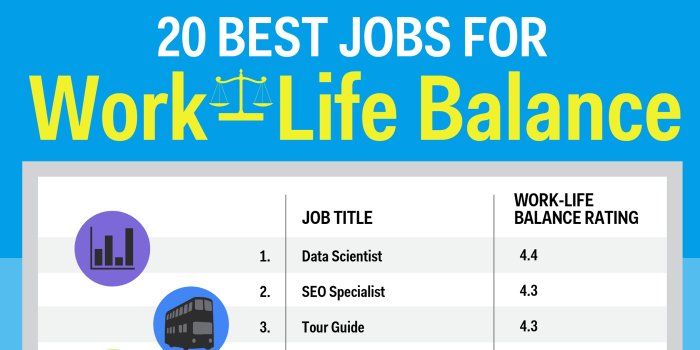
In today's digital age, gig economy jobs have become increasingly popular due to the flexibility they offer, making them ideal for those seeking a better work-life balance. These opportunities allow individuals to work on a project basis, set their own schedules, and choose the type of work they want to do.
Popular Gig Economy Platforms
- Uber: A popular platform for part-time driving jobs, allowing individuals to work as independent contractors and set their own hours.
- Fiverr: Freelancers can offer their services in various categories such as graphic design, writing, and digital marketing on this platform.
- TaskRabbit: Users can offer their skills for tasks such as handyman services, cleaning, and moving assistance, giving them the flexibility to choose their assignments.
Pros and Cons of Working in the Gig Economy
- Pros:
- Flexibility to set your own schedule and work from anywhere.
- Opportunity to explore different types of work and expand your skill set.
- Potential for higher earning potential based on the number of gigs completed.
- Cons:
- Inconsistent income as gig availability may vary.
- Lack of benefits such as health insurance or retirement plans typically offered by traditional employers.
- No job security or guarantee of steady work.
Navigating Gig Economy Jobs for Work-Life Balance
- Set boundaries: Establish clear boundaries between work and personal time to avoid burnout.
- Prioritize self-care: Make time for activities that help you recharge and maintain your well-being.
- Manage workload: Be strategic in selecting gigs that align with your skills and interests to prevent overwhelming yourself.
Flexible Schedule Jobs
Flexible schedule jobs are positions that allow employees to adjust their working hours or location based on their personal needs and preferences. This flexibility empowers individuals to maintain a healthy work-life balance by accommodating their personal responsibilities alongside their professional duties.
Common Industries Offering Flexible Schedule Jobs
- Technology: Many tech companies offer part-time positions with flexible schedules, allowing employees to work remotely or choose their working hours.
- Healthcare: Roles in healthcare, such as nursing or medical coding, often have options for part-time work with flexible shifts.
- Education: Teaching positions, tutoring, or online instruction can provide part-time opportunities with flexible scheduling.
Strategies for Productive Routine with Flexible Work Schedule
- Set clear boundaries between work and personal time to avoid burnout and maintain focus during working hours.
- Create a daily schedule or to-do list to prioritize tasks and manage time effectively.
- Communicate openly with your employer or clients about your availability and preferred working hours to establish clear expectations.
Impact of Flexible Scheduling on Job Satisfaction and Well-being
Flexible scheduling has a positive impact on overall job satisfaction and well-being by reducing stress, increasing autonomy, and fostering a better work-life balance. Employees who have control over their schedules are more likely to feel satisfied with their jobs and perform better in their roles.
Closing Summary
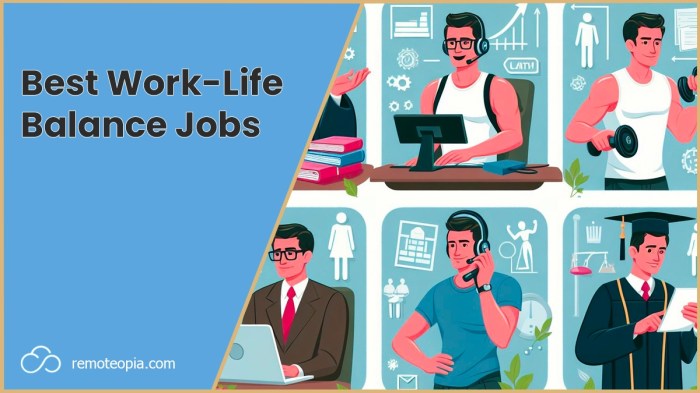
In conclusion, Best part-time jobs for work-life balance pave the way for a harmonious blend of professional pursuits and personal fulfillment, ultimately enhancing overall well-being and satisfaction.
FAQ
What are some common part-time jobs known for offering flexibility and work-life balance?
Some common part-time jobs known for flexibility and work-life balance include virtual assistant, freelance writer, and online tutor.
How can part-time jobs contribute to a better work-life balance?
Part-time jobs allow individuals to have more time for personal activities, reduce stress, and maintain a healthier work-life balance compared to full-time positions.
What are some strategies for effectively managing time while working remotely part-time?
Some strategies for managing time while working remotely part-time include setting a schedule, minimizing distractions, and prioritizing tasks effectively.
How does working in the gig economy impact work-life balance?
Working in the gig economy can provide flexibility but may also lead to inconsistent income and lack of job security, which can impact work-life balance negatively.
What are flexible schedule jobs and how do they contribute to work-life balance?
Flexible schedule jobs allow individuals to adjust their work hours to fit personal commitments, promoting a better balance between work and personal life.