Exploring the realm of Cybersecurity jobs with remote flexibility, this introduction delves into the evolving landscape of work, shedding light on the opportunities and challenges faced by professionals in the cybersecurity field. From the allure of working from anywhere to the unique skill set required, this overview sets the stage for a comprehensive discussion on the intersection of cybersecurity and remote work.
As we progress, we will uncover the essential skills, tools, and best practices that define success in remote cybersecurity roles, offering valuable insights for both seasoned professionals and aspiring candidates.
Overview of Cybersecurity Jobs with Remote Flexibility
In today's digital age, cybersecurity is more important than ever, and the demand for skilled professionals in this field continues to rise. With the evolution of technology, many cybersecurity jobs now offer remote flexibility, allowing professionals to work from anywhere in the world.
This flexibility has opened up new opportunities for individuals looking to pursue a career in cybersecurity while maintaining a healthy work-life balance.
Benefits of Working Remotely in the Cybersecurity Field
- Flexibility to work from any location, whether it's from home, a co-working space, or while traveling.
- Ability to create a customized work environment that suits individual preferences and productivity.
- Opportunity to avoid long commutes and save time and money on transportation costs.
- Increased focus and concentration without the distractions of a traditional office setting.
Challenges of Working Remotely in the Cybersecurity Field
- Potential feelings of isolation or disconnect from colleagues and the company culture.
- Difficulty in separating work life from personal life when working in the same space.
- Security concerns related to accessing sensitive information and networks from remote locations.
- Communication challenges that may arise from not being physically present with team members.
Types of Cybersecurity Roles with Remote Flexibility
While not all cybersecurity roles may offer remote flexibility, there are several positions within the field that commonly allow professionals to work remotely:
- Cybersecurity Analyst
- Penetration Tester
- Incident Responder
- Cybersecurity Consultant
- Security Engineer
Required Skills and Qualifications
To excel in remote cybersecurity jobs, professionals need a unique set of skills and qualifications compared to traditional on-site positions. Working remotely requires a high level of self-discipline, time management, and communication skills to collaborate effectively with team members and clients virtually.
Technical Proficiency
- Strong knowledge of network security protocols and tools
- Experience with intrusion detection systems and firewalls
- Proficiency in configuring and managing security systems
- Understanding of cloud security principles
Certifications
- CompTIA Security+
- Certified Information Systems Security Professional (CISSP)
- Certified Ethical Hacker (CEH)
- GIAC Security Essentials (GSEC)
Remote Work Tools and Technologies
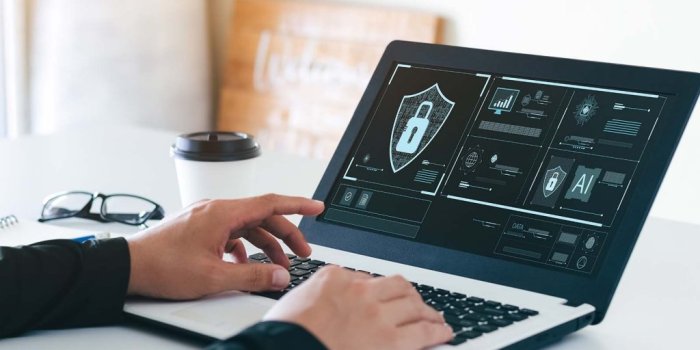
In the dynamic field of cybersecurity, professionals working remotely rely on a variety of tools and technologies to perform their duties efficiently and effectively.
Common Tools and Technologies
- Endpoint Security Software: Remote cybersecurity professionals often use endpoint security software to secure devices and networks from potential threats.
- Vulnerability Scanning Tools: These tools help in identifying and addressing vulnerabilities in systems and networks, crucial for maintaining security.
- Security Information and Event Management (SIEM) Tools: SIEM tools enable professionals to monitor, detect, and respond to security incidents in real-time.
- Remote Desktop Software: This technology allows cybersecurity experts to access and troubleshoot systems remotely, ensuring smooth operations.
Secure Communication Tools
Secure communication tools play a vital role in remote cybersecurity work to ensure that sensitive information is exchanged securely and confidentially. These tools often include end-to-end encryption to protect data from unauthorized access. Professionals may use tools like encrypted email services, secure messaging platforms, and virtual meeting software to collaborate securely with colleagues and clients.
Utilization of Virtual Private Networks (VPNs)
VPNs create a secure and encrypted connection over the internet, allowing remote cybersecurity professionals to access company networks and resources securely.
By encrypting data traffic and masking IP addresses, VPNs help in protecting sensitive information and maintaining privacy while working remotely. Cybersecurity experts use VPNs to establish a secure connection to the internet and ensure secure communication when accessing sensitive data or systems from remote locations.
Best Practices for Remote Cybersecurity Professionals
As a remote cybersecurity professional, it is crucial to follow best practices to ensure the security of sensitive information and systems. Here are some key strategies to consider:
Regular Security Training and Awareness
Stay updated on the latest cybersecurity threats and trends by attending regular training sessions and webinars. This will help you stay informed about new risks and how to mitigate them effectively.
Use Secure Communication Channels
When collaborating with team members in a virtual environment, make sure to use encrypted communication tools to protect sensitive data. Avoid sharing confidential information over unsecured channels.
Implement Multi-Factor Authentication
Enable multi-factor authentication for all your accounts to add an extra layer of security. This will help prevent unauthorized access to your devices and accounts, even if your credentials are compromised.
Regularly Update Software and Systems
Ensure that all your software and systems are up to date with the latest security patches. Regular updates can help protect your devices from known vulnerabilities and cyber threats.
Secure Remote Access
Use a secure VPN connection when accessing company networks or sensitive information remotely. Avoid using public Wi-Fi networks, and always connect through a trusted and encrypted network.
Summary
In conclusion, Cybersecurity jobs with remote flexibility not only present a new way of working but also demand a fresh perspective on security practices. By embracing the remote work culture and staying vigilant in the face of cyber threats, professionals can navigate this dynamic landscape with confidence and resilience.
Question & Answer Hub
What are the key benefits of working remotely in cybersecurity jobs?
Remote work offers flexibility, better work-life balance, and the opportunity to work from anywhere, attracting top talent and improving productivity.
What types of cybersecurity roles commonly offer remote flexibility?
Roles such as Security Analyst, Incident Responder, and Cybersecurity Consultant often come with remote work options.
How can remote cybersecurity professionals ensure secure communication?
Using encrypted messaging apps and secure email services can help maintain confidentiality and integrity in communication.
What are some recommended certifications for remote cybersecurity roles?
Certifications like CISSP, CEH, and CompTIA Security+ are highly valued in the cybersecurity industry and beneficial for remote roles.