As we peer into the crystal ball of the job market, the landscape for the next decade unfolds with exciting prospects and challenges. With emerging technologies, sustainability initiatives, healthcare advancements, data science evolution, and the rise of remote work, the future of work is set to undergo a significant transformation.
Let's delve into the trends and shifts that will shape the job market in the upcoming years, paving the way for new opportunities and skill requirements.
Emerging Technologies
The rapid advancement of technology is reshaping the job market, creating new opportunities and transforming existing roles. As we look ahead to the next decade, it is evident that emerging technologies will play a pivotal role in driving job demand across various industries.Automation, artificial intelligence, machine learning, and robotics are some of the key technologies that will significantly impact the future job landscape.
These technologies have the potential to streamline processes, improve efficiency, and drive innovation in a wide range of sectors.
Fields Poised for Growth
- Artificial Intelligence and Machine Learning: With the increasing adoption of AI and ML technologies, there will be a growing demand for professionals skilled in developing, implementing, and maintaining these systems. Roles such as AI/ML engineers, data scientists, and algorithm specialists will be in high demand.
- Cybersecurity: As organizations continue to digitize their operations, the need for cybersecurity experts to protect sensitive data and systems from cyber threats will only increase. Cybersecurity analysts, ethical hackers, and security consultants will be sought after in the coming years.
- Data Science and Analytics: The era of big data is here to stay, and professionals who can analyze and derive meaningful insights from large datasets will be highly valuable. Data analysts, data engineers, and business intelligence specialists will be integral to decision-making processes.
- Renewable Energy: The push towards sustainability and environmental conservation will drive job growth in the renewable energy sector. Roles in solar and wind energy production, energy storage solutions, and sustainable design will be in demand.
Impact of Automation and Artificial Intelligence
- Automation: While automation has the potential to streamline repetitive tasks and increase productivity, it may also result in job displacement in certain sectors. However, new roles focused on overseeing, maintaining, and optimizing automated systems will emerge, creating opportunities for upskilling and reskilling.
- Artificial Intelligence: AI has the power to revolutionize industries by enabling predictive analytics, personalized experiences, and autonomous decision-making. Jobs that involve human-AI collaboration, such as AI ethicists, AI trainers, and AI explainability experts, will become increasingly important.
Sustainability and Green Energy
The next decade is set to see a significant rise in sustainability-focused jobs as the world shifts towards a more environmentally conscious approach. With the increasing awareness of climate change and the need to reduce carbon emissions, green energy will play a crucial role in shaping job opportunities across various sectors.
Importance of Green Energy
Green energy, such as wind, solar, and hydroelectric power, is crucial for reducing our reliance on fossil fuels and decreasing greenhouse gas emissions. This shift towards renewable sources of energy not only helps in combating climate change but also opens up a wide range of job opportunities in the renewable energy sector.
From solar panel installers to wind turbine technicians, the demand for skilled workers in green energy is expected to soar in the coming years.
Environmental Concerns Driving Job Creation
The growing concerns about environmental degradation and the depletion of natural resources are driving job creation in various sectors. Companies are increasingly focusing on sustainability and adopting eco-friendly practices to reduce their carbon footprint. This has led to the emergence of roles such as sustainability managers, environmental engineers, and energy auditors, who are responsible for implementing green initiatives and ensuring compliance with environmental regulations.
Healthcare Industry
The healthcare industry is expected to experience significant growth in the next 10 years due to various factors such as advancements in medical technology, an aging population, and an increased focus on preventive care.
Projected Growth in Healthcare-Related Professions
The Bureau of Labor Statistics predicts that healthcare employment will grow faster than the average for all occupations, with an estimated 15% growth from 2019 to 2029. This growth is attributed to the increasing demand for healthcare services as the population ages and the prevalence of chronic conditions rises.
Specific Healthcare Roles in High Demand
Registered Nurses
With a growing elderly population and healthcare advancements, the demand for registered nurses is expected to remain high.
Nurse Practitioners
As the need for primary and preventive care increases, nurse practitioners will play a crucial role in meeting the healthcare demands.
Physician Assistants
Physician assistants are projected to be in high demand to provide medical services under the supervision of physicians
Impact of an Aging Population on Job Opportunities in Healthcare
The aging population is expected to drive the demand for healthcare services, leading to an increased need for healthcare professionals across various specialties. As older adults typically require more medical care and treatments, there will be opportunities for healthcare professionals to specialize in geriatric care and other related fields to meet the growing healthcare needs of this demographic.
Data Science and Analytics
Data science and analytics play a crucial role in shaping future job trends, as businesses across various industries are increasingly relying on data-driven insights to make informed decisions and drive growth. Professionals with expertise in data science and analytics are in high demand as organizations seek to leverage the power of data to gain a competitive edge.Exponential growth in data generation has led to the need for skilled professionals who can analyze and interpret large volumes of data to extract valuable insights.
Industries such as finance, healthcare, e-commerce, and marketing are actively seeking data scientists, data analysts, and business analysts to help them make sense of the vast amounts of data they collect.
New Job Roles and Opportunities
With the rise of big data, new job roles and opportunities are emerging in the field of data science and analytics. Companies are looking for professionals who can develop algorithms, build predictive models, and create data visualizations to drive decision-making processes.
Roles such as data engineer, machine learning engineer, and data architect are becoming increasingly important in today's data-driven world.
- Data engineers are responsible for designing and building data pipelines to collect, process, and analyze data efficiently.
- Machine learning engineers focus on developing machine learning models and algorithms to enable predictive analytics and automation.
- Data architects design and maintain the overall structure of a company's data ecosystem, ensuring data quality and accessibility for analysis.
Remote Work and Digital Skills
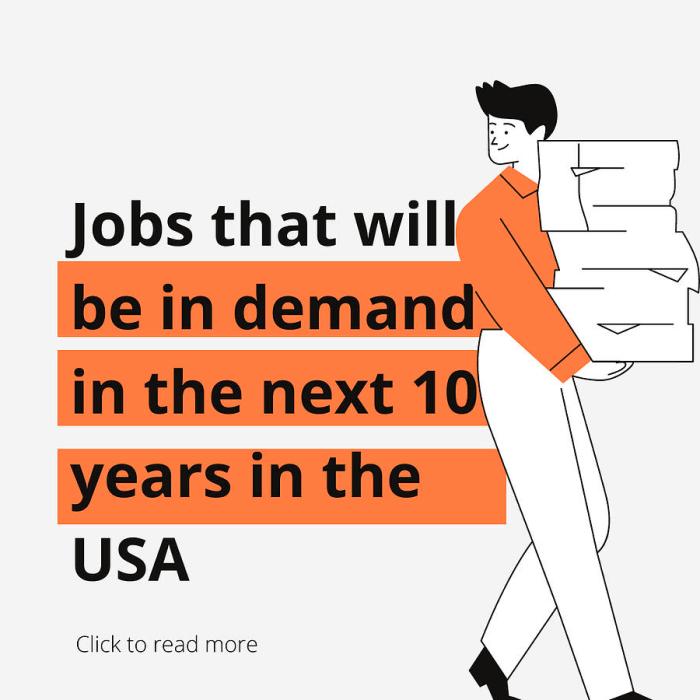
The rise of remote work and the increasing reliance on digital technologies have reshaped the job market landscape. As more companies embrace flexible work arrangements and digital transformation, the demand for individuals with strong digital skills continues to grow. Let's explore how this shift is influencing job requirements and the key digital skills that will be essential for future job seekers.
Impact of Remote Work on Job Requirements
The shift to remote work has led to a reevaluation of traditional job requirements. Employers are now placing a greater emphasis on digital skills such as proficiency in virtual collaboration tools, cloud computing, cybersecurity, and data analysis. With remote work becoming the new norm, job seekers are expected to demonstrate adaptability, self-discipline, and effective communication skills in a virtual environment.
Key Digital Skills for Future Job Seekers
- Proficiency in virtual collaboration tools such as Slack, Zoom, and Microsoft Teams.
- Knowledge of cloud computing platforms like AWS, Azure, and Google Cloud.
- Understanding of cybersecurity best practices to protect sensitive information in a remote work setting.
- Ability to analyze and interpret data using tools like Excel, Tableau, or Python.
- Strong digital literacy and the ability to quickly adapt to new technologies and software.
Closing Notes
In conclusion, the next 10 years hold a promise of dynamic changes in the job market, driven by technological innovations, environmental consciousness, healthcare needs, data analytics, and digital skills. Adapting to these shifts will be key for individuals seeking to thrive in the evolving landscape of work.
Question Bank
Will traditional jobs become obsolete?
While some traditional jobs may evolve or diminish, new opportunities will emerge in emerging fields due to technological advancements and changing market demands.
How can individuals prepare for the future job market?
Continuous learning, upskilling in digital technologies, and adaptability to changing trends are crucial for individuals to stay relevant and competitive in the job market of the future.
Are remote work skills essential for future job seekers?
Yes, with the increasing trend towards remote work, having digital collaboration skills, time management, and self-discipline will be highly valuable for future job seekers.