Exploring the latest Sustainable Technology Trends for Urban Development unveils a transformative landscape where innovation meets sustainability. From smart grids to green building solutions, these trends are revolutionizing urban spaces for a greener future.
Sustainable Technology Trends for Urban Development
In recent years, sustainable technology has been playing a crucial role in shaping urban development by introducing innovative solutions to address environmental challenges. These trends are not only revolutionizing urban landscapes but also contributing to the conservation of our natural resources in urban areas.
Renewable Energy Integration
One of the key sustainable technology trends in urban development is the integration of renewable energy sources such as solar and wind power. This shift towards cleaner energy sources is reducing carbon emissions and promoting energy efficiency in urban areas.
Smart Infrastructure
Smart infrastructure technologies, including IoT sensors, data analytics, and AI, are being implemented to enhance the efficiency of urban systems. These technologies enable better management of resources, waste, and traffic, leading to more sustainable urban environments.
Green Building Practices
Green building practices, such as utilizing sustainable materials, energy-efficient designs, and green roofs, are becoming increasingly popular in urban development projects. These practices help reduce the environmental impact of buildings and promote healthier living spaces for urban residents.
Urban Agriculture
Urban agriculture is gaining traction as a sustainable technology trend in urban development, allowing cities to produce food locally and reduce the carbon footprint associated with food transportation. Rooftop gardens, vertical farms, and community gardens are examples of how urban agriculture is reshaping city landscapes.
Waste Management Innovations
Innovative waste management technologies, such as recycling programs, waste-to-energy plants, and composting initiatives, are transforming how urban areas deal with waste. These solutions help minimize landfill waste, reduce pollution, and promote a circular economy within cities.
Smart Grids and Energy Management
Smart grids play a crucial role in sustainable urban development by revolutionizing the way energy is distributed, monitored, and managed. These advanced systems integrate renewable energy sources, energy storage, and digital technologies to optimize energy consumption and reduce environmental impact.
The Role of Smart Grids in Sustainable Urban Development
Smart grids enable real-time monitoring of energy usage, allowing for better load management, reduced energy waste, and improved efficiency. By incorporating renewable energy sources like solar and wind power, smart grids help cities reduce their carbon footprint and transition towards a more sustainable energy future.
Comparison of Traditional Energy Management Systems with Smart Grids
Traditional energy management systems rely on centralized power generation and distribution, leading to inefficiencies and potential grid failures. In contrast, smart grids utilize decentralized energy resources and advanced communication technologies to ensure a more reliable, resilient, and responsive energy infrastructure.
Examples of Cities Effectively Implementing Smart Grid Technology
- Copenhagen, Denmark: The city has implemented a comprehensive smart grid system that integrates renewable energy sources, energy storage, and demand response programs to achieve a more sustainable and resilient energy network.
- Austin, Texas: Austin Energy has deployed smart meters and grid infrastructure to enable real-time monitoring and control of energy usage, helping residents and businesses optimize their consumption and reduce costs.
3. Singapore
The city-state has invested in smart grid technologies to enhance energy efficiency, reduce carbon emissions, and support the integration of renewable energy sources into the grid.
Green Building Solutions
Green building solutions play a crucial role in the sustainable development of urban areas. By incorporating environmentally friendly materials and construction practices, cities can reduce their carbon footprint and promote a healthier living environment for residents.
Importance of Green Building Solutions
- Reduced Energy Consumption: Green buildings are designed to be energy-efficient, leading to lower electricity bills and decreased reliance on fossil fuels.
- Improved Indoor Air Quality: Sustainable materials help create healthier indoor environments by reducing pollutants and promoting better ventilation.
- Water Conservation: Green buildings often incorporate water-saving technologies, such as rainwater harvesting systems, to reduce water wastage.
- Enhanced Resilience: Green buildings are more resilient to natural disasters and climate change, ensuring the safety and well-being of occupants.
Benefits of Sustainable Materials and Construction Practices
- Lower Operational Costs: Sustainable buildings have lower maintenance and operational costs over their lifespan, leading to long-term savings for building owners.
- Health and Well-being: Green buildings promote occupant health and well-being by providing a comfortable and healthy living or working environment.
- Environmental Protection: By using eco-friendly materials and practices, green buildings help reduce environmental impact and contribute to a greener future.
Innovative Green Building Technologies
- Solar Panels: Solar panels are a popular green building technology that harnesses the power of the sun to generate electricity for buildings.
- Green Roofs: Green roofs are covered with vegetation, providing insulation, reducing stormwater runoff, and creating green spaces in urban areas.
- Smart Windows: Smart windows use technology to control the amount of light and heat entering a building, reducing the need for artificial lighting and heating.
- Recycled Materials: Using recycled materials in construction helps reduce waste and minimize the environmental impact of building projects.
Sustainable Transportation Systems
Sustainable transportation plays a crucial role in shaping urban environments and reducing carbon emissions. By implementing eco-friendly modes of transportation, cities can improve air quality, reduce traffic congestion, and promote a healthier lifestyle for residents.
Impact of Sustainable Transportation on Urban Environments
Implementing sustainable transportation systems in urban areas has a significant impact on the environment and overall quality of life. By promoting walking, cycling, electric vehicles, and efficient public transport, cities can reduce greenhouse gas emissions, noise pollution, and reliance on fossil fuels.
Role of Electric Vehicles and Public Transport in Reducing Carbon Emissions
- Electric vehicles (EVs) are becoming increasingly popular as a sustainable transportation option. By switching from traditional gasoline-powered cars to EVs, cities can significantly reduce carbon emissions and dependence on non-renewable energy sources.
- Public transport systems, such as buses, trams, and trains, also play a crucial role in reducing carbon emissions. By encouraging residents to use public transport instead of private vehicles, cities can decrease traffic congestion and improve air quality.
Examples of Cities with Successful Sustainable Transportation Initiatives
- Curitiba, Brazil: Known for its innovative bus rapid transit system, Curitiba has successfully integrated sustainable transportation into its urban planning, reducing traffic congestion and pollution.
- Copenhagen, Denmark: With a strong focus on cycling infrastructure and public transport, Copenhagen has become a model for sustainable transportation initiatives, with a high percentage of residents cycling or using public transport for their daily commute.
- Amsterdam, Netherlands: Renowned for its extensive network of cycle paths and bike-friendly infrastructure, Amsterdam has prioritized sustainable transportation options, leading to a decrease in car usage and a healthier urban environment.
IoT and Data Analytics for Urban Planning
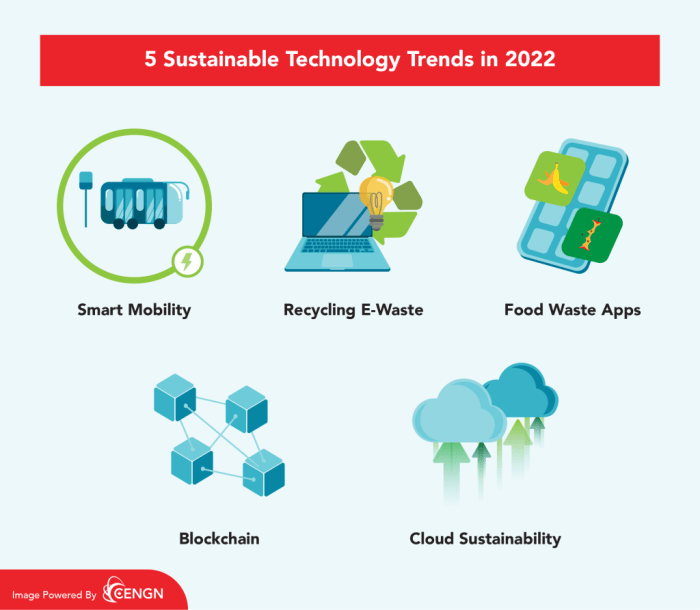
IoT (Internet of Things) and data analytics have revolutionized the way urban planning processes are carried out in modern cities. By leveraging real-time data from various sensors and devices, urban planners can make informed decisions to optimize urban infrastructure for sustainable development.
Benefits of Using Real-Time Data for Optimizing Urban Infrastructure
- Improved Efficiency: Real-time data allows for better monitoring and management of resources, leading to more efficient use of energy, water, and transportation systems.
- Cost Savings: By identifying patterns and trends in data, cities can reduce operational costs and allocate resources more effectively.
- Enhanced Sustainability: IoT and data analytics help cities reduce their carbon footprint by optimizing energy consumption and waste management practices.
Examples of Smart Cities Leveraging IoT and Data Analytics
- Smart Parking Systems: Cities like San Francisco and Barcelona use IoT sensors to monitor parking spaces in real-time, reducing traffic congestion and emissions.
- Smart Waste Management: Singapore employs data analytics to optimize waste collection routes, leading to reduced fuel consumption and greenhouse gas emissions.
- Smart Grids: Copenhagen utilizes IoT devices to balance energy supply and demand, increasing the efficiency of their energy grid and promoting renewable energy use.
Last Point
In conclusion, the Sustainable Technology Trends for Urban Development are paving the way for cities to embrace eco-friendly practices and create sustainable environments. As we look ahead, these trends will continue to play a crucial role in shaping the cities of tomorrow.
Query Resolution
How do sustainable technology trends impact urban development?
Sustainable technology trends play a vital role in reshaping urban landscapes by promoting eco-friendly practices and reducing environmental impact.
What are some examples of cities effectively implementing smart grid technology?
Cities like Amsterdam, Barcelona, and San Francisco have successfully implemented smart grid technology to enhance energy efficiency and sustainability.
Why are green building solutions important for urban development?
Green building solutions help reduce carbon footprint, promote resource efficiency, and create healthier environments in urban areas.
How can IoT and data analytics benefit urban planning processes?
IoT and data analytics provide real-time insights that enable cities to optimize infrastructure, improve services, and enhance overall urban development planning.