Technology Integration in Remote Working Ecosystems sets the stage for this enthralling narrative, offering readers a glimpse into a story that is rich in detail and brimming with originality. As remote work becomes increasingly prevalent, the role of technology in enhancing productivity takes center stage, revolutionizing how teams collaborate and communicate.
In this exploration, we delve into the importance, challenges, best practices, and impact of technology integration in remote work environments, shedding light on the dynamic landscape of modern work culture.
Importance of Technology Integration in Remote Working Ecosystems
Technology plays a crucial role in enhancing productivity in remote work environments by providing tools and platforms that enable seamless collaboration and communication among team members. The integration of various technologies not only simplifies tasks but also ensures that remote teams can work efficiently and effectively regardless of their physical location.
Key Technologies for Remote Collaboration
- Video Conferencing Tools: Platforms like Zoom, Microsoft Teams, and Google Meet allow remote teams to conduct virtual meetings, brainstorming sessions, and presentations as if they were in the same room.
- Project Management Software: Tools such as Trello, Asana, and Monday.com help remote teams track tasks, set deadlines, and collaborate on projects in real-time.
- Cloud Storage Solutions: Services like Google Drive, Dropbox, and OneDrive enable remote workers to store, share, and access files securely from anywhere with an internet connection.
- Communication Apps: Messaging apps like Slack, Microsoft Teams, and Discord facilitate instant messaging, file sharing, and team communication, reducing the need for lengthy email threads.
Benefits of Technology Integration for Remote Teams
- Improved Communication: Technology integration fosters seamless communication among remote team members, reducing misunderstandings and enhancing collaboration.
- Enhanced Productivity: With the right tools in place, remote teams can streamline workflows, track progress, and meet deadlines efficiently, boosting overall productivity.
- Flexibility and Accessibility: Technology integration allows remote workers to access work-related resources and collaborate with team members from anywhere, at any time, providing flexibility and accessibility.
- Cost-Efficiency: By leveraging technology for remote work, companies can reduce overhead costs associated with maintaining physical office spaces and equipment, leading to cost savings in the long run.
Challenges of Implementing Technology in Remote Work Settings
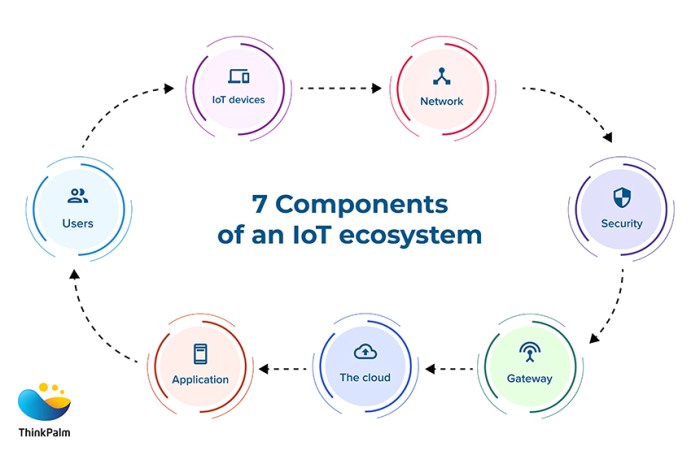
Implementing technology in remote work settings comes with its own set of challenges that organizations need to address in order to ensure smooth operations. From connectivity issues to security concerns, there are several obstacles that can hinder the seamless integration of technology in remote work environments.
Connectivity Challenges
One of the most common obstacles faced when integrating technology in remote work settings is connectivity issues. Poor internet connection or limited access to high-speed internet can lead to delays in communication, reduced efficiency, and overall frustration among remote workers.
Security Concerns
Different technology solutions come with varying levels of security concerns. For example, using personal devices for work purposes may expose sensitive company information to potential security breaches. On the other hand, implementing secure VPN connections and two-factor authentication can help mitigate these risks but require additional resources and training.
Technology Gaps
Technology gaps can also hinder remote work efficiency. For instance, if employees do not have access to the necessary software or tools required to perform their tasks effectively, it can lead to delays, errors, and decreased productivity. Organizations need to ensure that all employees have access to the right technology solutions to support their remote work needs.
Best Practices for Seamless Technology Integration
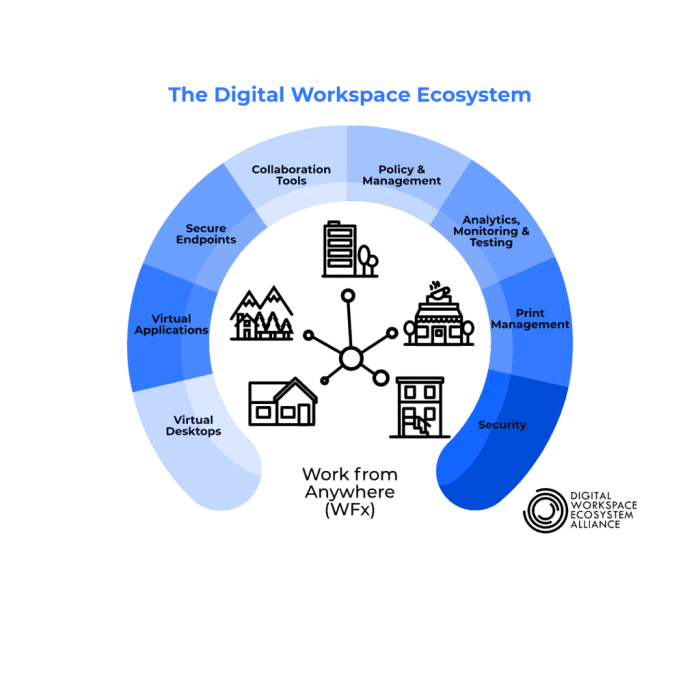
When it comes to integrating technology in remote work ecosystems, following best practices is crucial for ensuring a smooth transition and optimal utilization of new tools and systems. Here are some strategies for successful adoption of technology in remote work settings:
Provide Comprehensive Training and Support
One of the most important steps in ensuring seamless technology integration is to provide remote employees with comprehensive training and ongoing support. This includes not only initial training on how to use the new technology but also continuous support to address any issues or questions that may arise.
By investing in proper training and support, you can help employees feel confident and empowered to make the most of the new tools.
- Offer online training sessions and resources that are easily accessible to remote employees.
- Assign dedicated support staff or create a help desk to assist employees with any technical issues.
- Encourage open communication and feedback channels to address any concerns or challenges that employees may face.
Gradual Implementation and Testing
Rather than implementing all new technologies at once, consider a gradual rollout to allow for testing and feedback. This approach can help identify any issues or areas for improvement early on, allowing for adjustments to be made before full implementation.
By testing new technologies in smaller groups or pilot programs, you can gather valuable insights and ensure a smoother integration process.
- Start with a small group of employees to pilot the new technology before rolling it out company-wide.
- Encourage feedback from pilot users to identify any usability issues or areas for improvement.
- Iterate on the technology based on feedback and testing results before scaling up the implementation.
Regular Communication and Monitoring
Maintaining open communication channels and monitoring the use of new technologies is essential for successful integration. Regular check-ins with remote employees can help identify any issues or challenges early on, allowing for timely intervention and support. By staying connected with employees and monitoring their use of technology, you can ensure that the tools are being utilized effectively and efficiently.
- Schedule regular check-ins or feedback sessions to gather insights on how employees are adapting to the new technology.
- Monitor key performance indicators related to technology usage to identify any areas of improvement.
- Address any issues or concerns raised by employees promptly to prevent disruptions to workflow or productivity.
Impact of Technology Integration on Remote Work Culture
Technology integration plays a crucial role in shaping the company culture within remote work settings. By leveraging various tools and platforms, organizations can create a collaborative and engaging environment for their remote teams.
Enhanced Team Collaboration and Communication
- Virtual meeting platforms such as Zoom and Microsoft Teams facilitate real-time communication among remote team members, allowing for seamless collaboration on projects.
- Cloud-based project management tools like Trello and Asana enable teams to track progress, assign tasks, and share updates, fostering a sense of unity and shared purpose.
- Instant messaging apps like Slack or Microsoft Teams help team members stay connected throughout the day, promoting a sense of camaraderie and teamwork.
Improved Employee Engagement
- Virtual team-building activities organized through platforms like Kahoot or QuizBreaker help remote employees bond and build relationships with their colleagues, enhancing overall employee engagement.
- Employee recognition platforms like Bonusly or Kudos Bot allow team members to appreciate each other's contributions publicly, boosting morale and motivation in remote work environments.
- Virtual coffee chats or informal video calls create opportunities for casual interactions and socialization, fostering a sense of belonging and community among remote workers.
Ending Remarks
As we conclude this discussion on Technology Integration in Remote Working Ecosystems, it becomes evident that the seamless integration of technology is not just a trend but a necessity in today's digital age. By embracing the best practices and overcoming challenges, organizations can transform their remote work culture, fostering collaboration, efficiency, and employee engagement.
FAQ Explained
How can technology enhance remote work productivity?
Technology enables real-time collaboration, efficient communication, and access to resources regardless of physical location, boosting productivity in remote work environments.
What are some common obstacles when implementing technology in remote work?
Common challenges include network connectivity issues, data security concerns, and resistance to change among employees unfamiliar with new technologies.
Why is training and support important for remote employees when adopting new technologies?
Training ensures that remote employees are equipped with the necessary skills to leverage new technologies effectively, while support provides assistance in troubleshooting issues that may arise during implementation.
How does technology integration impact company culture in remote settings?
Technology integration can foster a culture of innovation, collaboration, and inclusivity in remote work environments, breaking down barriers and enhancing team dynamics.